Price volatility remains the primary concern preventing businesses from embracing cryptocurrency payments. Bitcoin can swing 30% within weeks, creating uncertainty that traditional finance simply cannot tolerate. However, modern payment solutions have evolved to eliminate this risk entirely, allowing merchants to capture cryptocurrency's benefits while maintaining predictable revenue streams.
The stablecoin market now exceeds $250 billion in circulation, with projections reaching $2 trillion by 2028 according to McKinsey research. This explosive growth reflects business demand for blockchain efficiency without exposure to unpredictable price fluctuations. Companies worldwide are discovering practical strategies that make crypto acceptance both safe and profitable.
Instant Fiat Conversion Solutions
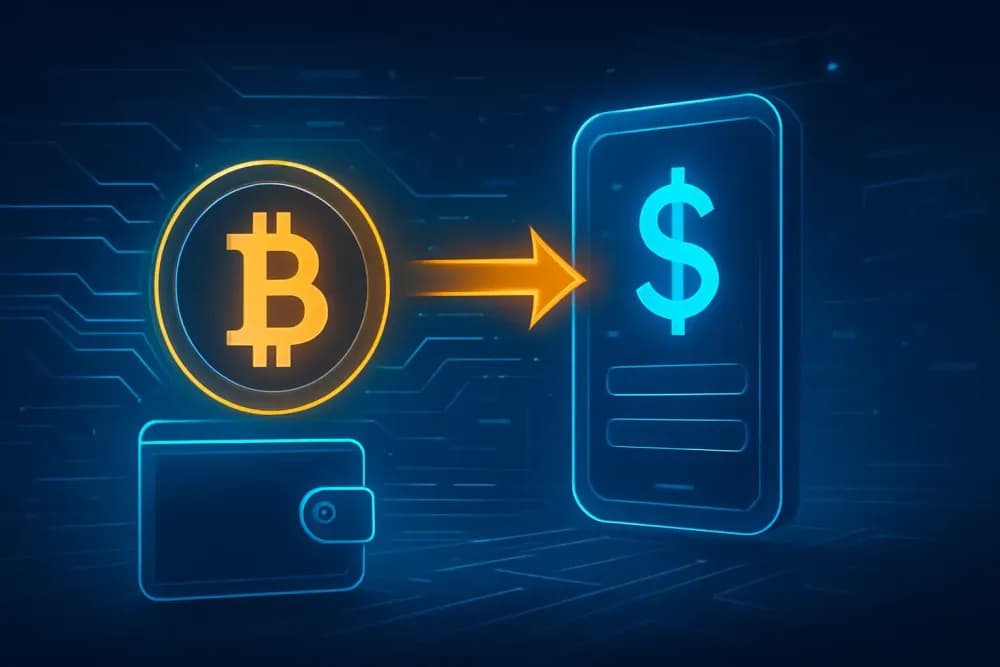
Payment gateways now offer automatic conversion features that transform cryptocurrency into local currency the moment transactions complete. When customers pay with Bitcoin or Ethereum, the gateway immediately converts funds to dollars, euros, or other fiat currencies before depositing into merchant accounts. Businesses never hold volatile assets on their balance sheets.
This instant settlement approach eliminates exposure windows where price drops could erode transaction value. Major providers like BitPay, Coinbase Commerce, and B2BinPay process conversions in real-time, ensuring merchants receive exactly what they expected. The entire process happens seamlessly behind the scenes without requiring technical expertise from business owners.
Transaction fees for these services typically range from 0.5% to 1%, significantly lower than credit card processing costs of 2% to 3%. Businesses save money while gaining access to cryptocurrency-paying customers who demonstrate 15-25% higher average order values compared to traditional payment methods.
Stablecoin Payment Acceptance
Stablecoins represent the most straightforward solution for volatility-free crypto acceptance. These digital assets maintain constant value through backing by fiat currency reserves, eliminating the price swings associated with Bitcoin or Ethereum. Popular options include USDT, USDC, and DAI, each pegged to the US dollar.
In 2024, stablecoin transaction volume reached $27 trillion globally, with approximately $72 billion attributed to real-world business payments. Brazil exemplifies this trend, where USDT accounts for 80% of crypto transactions as businesses and individuals seek dollar-denominated stability. Stablecoins now handle the majority of crypto checkout volume across ecommerce platforms.
Accepting stablecoins directly means receiving payments already denominated in familiar currency values. A $100 USDC payment equals exactly $100, regardless of what Bitcoin does that day. This predictability makes financial planning, accounting, and reconciliation identical to traditional payment processing.
Payment Gateway Features That Protect Merchants
Modern crypto payment providers include sophisticated tools designed specifically for risk-averse businesses. These features transform volatile cryptocurrency acceptance into predictable revenue operations comparable to credit card processing.
| Feature | How It Protects Merchants | Availability |
|---|---|---|
| Auto-conversion | Instantly converts crypto to fiat | 95% of major gateways |
| Stablecoin settlement | Receives payments in dollar-pegged assets | Growing rapidly |
| Smart routing | Selects fastest, cheapest conversion paths | Premium providers |
| Price locking | Freezes exchange rate during checkout | Most platforms |
| Multi-currency support | Converts to preferred local currency | Standard feature |
Price locking proves particularly valuable for businesses concerned about volatility during checkout. When customers initiate payment, the gateway locks the exchange rate for a specific window, typically 10-15 minutes. This ensures the quoted price equals the received amount regardless of market movements during transaction confirmation.
Hedging Strategies for Retained Crypto
Some businesses choose to retain portions of cryptocurrency payments as investment or treasury diversification. For these merchants, hedging strategies provide protection against adverse price movements while maintaining crypto exposure for potential upside gains.
Dollar-cost averaging allows businesses to convert received crypto into fiat gradually rather than immediately. This approach smooths out price fluctuations over time, reducing the impact of any single day's volatility. Companies holding crypto reserves often find this method balances liquidity needs with long-term positioning.
Financial instruments including futures and options enable sophisticated businesses to lock in prices for future conversion. While requiring more expertise, these tools provide flexibility for companies comfortable with crypto treasury management. Many enterprises exploring how to establish a crypto business initially start with simple instant conversion before graduating to more complex strategies.
Layer-2 Networks and Cost Efficiency
Bitcoin's Lightning Network and Ethereum's layer-2 solutions dramatically reduce transaction costs while accelerating settlement speeds. Lightning Network now handles 24% of Bitcoin payment volume, processing transactions in seconds rather than minutes with fees measured in fractions of cents.
These technological improvements make small-value crypto payments economically viable for the first time. Coffee shops, convenience stores, and quick-service restaurants can accept cryptocurrency without transaction fees consuming profit margins. Combined with instant fiat conversion, layer-2 adoption removes both volatility and cost barriers simultaneously.
Networks like Solana and Tron offer transaction fees as low as $0.00025, making blockchain-based payments cheaper than any traditional alternative. Businesses processing high transaction volumes find substantial savings compared to credit card processing fees that accumulate significantly over time.
Implementation Considerations
Choosing the right payment provider requires evaluating supported cryptocurrencies, conversion speeds, fee structures, and geographic availability. Businesses should prioritize providers offering instant settlement to preferred currencies, robust security measures, and compliance with local regulations.
Integration complexity varies by provider and existing infrastructure. Most gateways offer plugins for popular ecommerce platforms like Shopify, WooCommerce, and Magento, enabling setup within hours. API integrations accommodate custom implementations for businesses with specific requirements. Understanding factors like white label crypto exchange cost becomes relevant for larger enterprises considering proprietary solutions.
Staff training typically requires minimal investment since modern payment interfaces mirror familiar point-of-sale systems. Customers see crypto payment options alongside traditional methods, selecting their preference without disrupting established checkout flows.