DIGITAL ASSET FINANCE

The Financial Layer of Your Platform, Deployed as One Stack

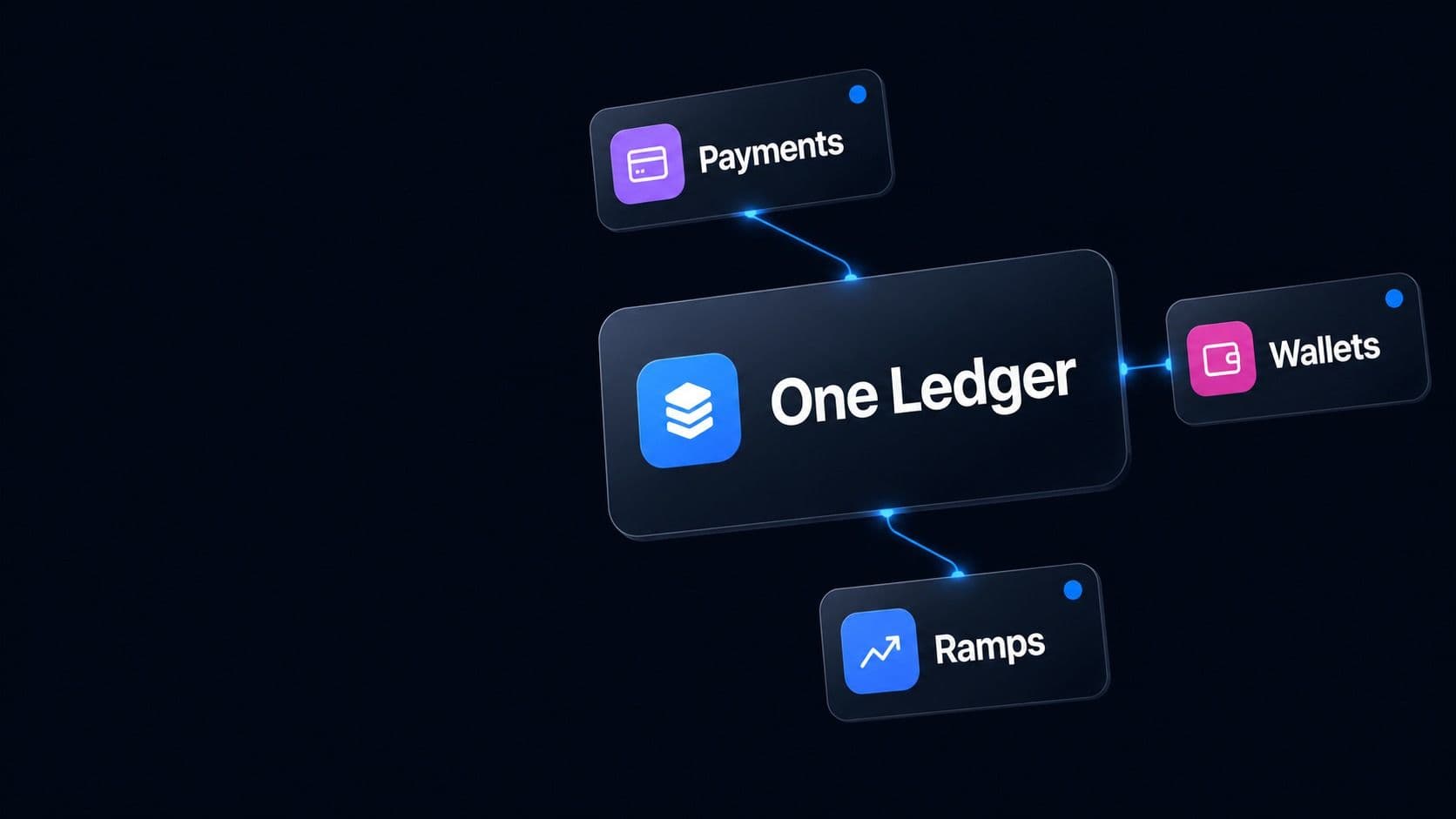
Six products, one ledger, one set of operator controls — so a card authorisation, a stablecoin payout and a staking accrual all reconcile against the same balances. Pick the money movement you need to support, and this points you at the product that handles it.

6finance products
50+networks
180+countries
THE STACK

Six Products, Deployed Together or One at a Time

Each card below routes to the canonical page for that product — its architecture, its operator controls and its own answers. Start from the money movement you need to support; the rest of the stack is already wired to it.

PAYMENTS

Stablecoin Payments & Treasury

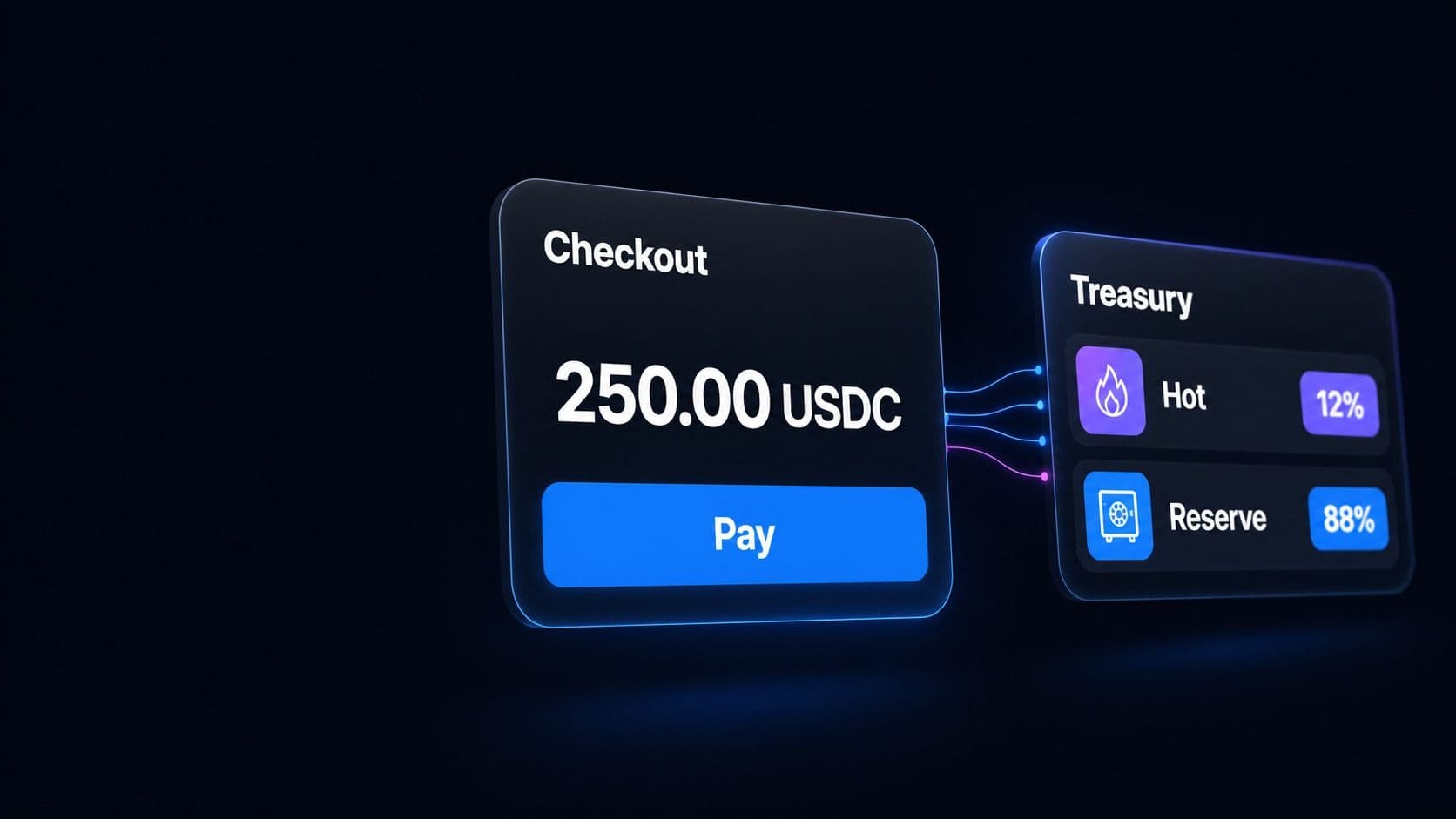
Accept stablecoins through hosted checkout, payment links, invoices and an API. Credit and settle merchants on your own fee and split rules, batch global payouts, and hold the result in a multi-wallet treasury.

  • Checkout, links, invoices and payment API
  • Merchant settlement with your fee and split rules
  • Multi-wallet treasury with sweeps and reserve floors
Learn more
A 250.00 USDC checkout beside a treasury split of 12 percent hot and 88 percent reserve
WALLETS AND CUSTODY

Wallet & Custody Infrastructure

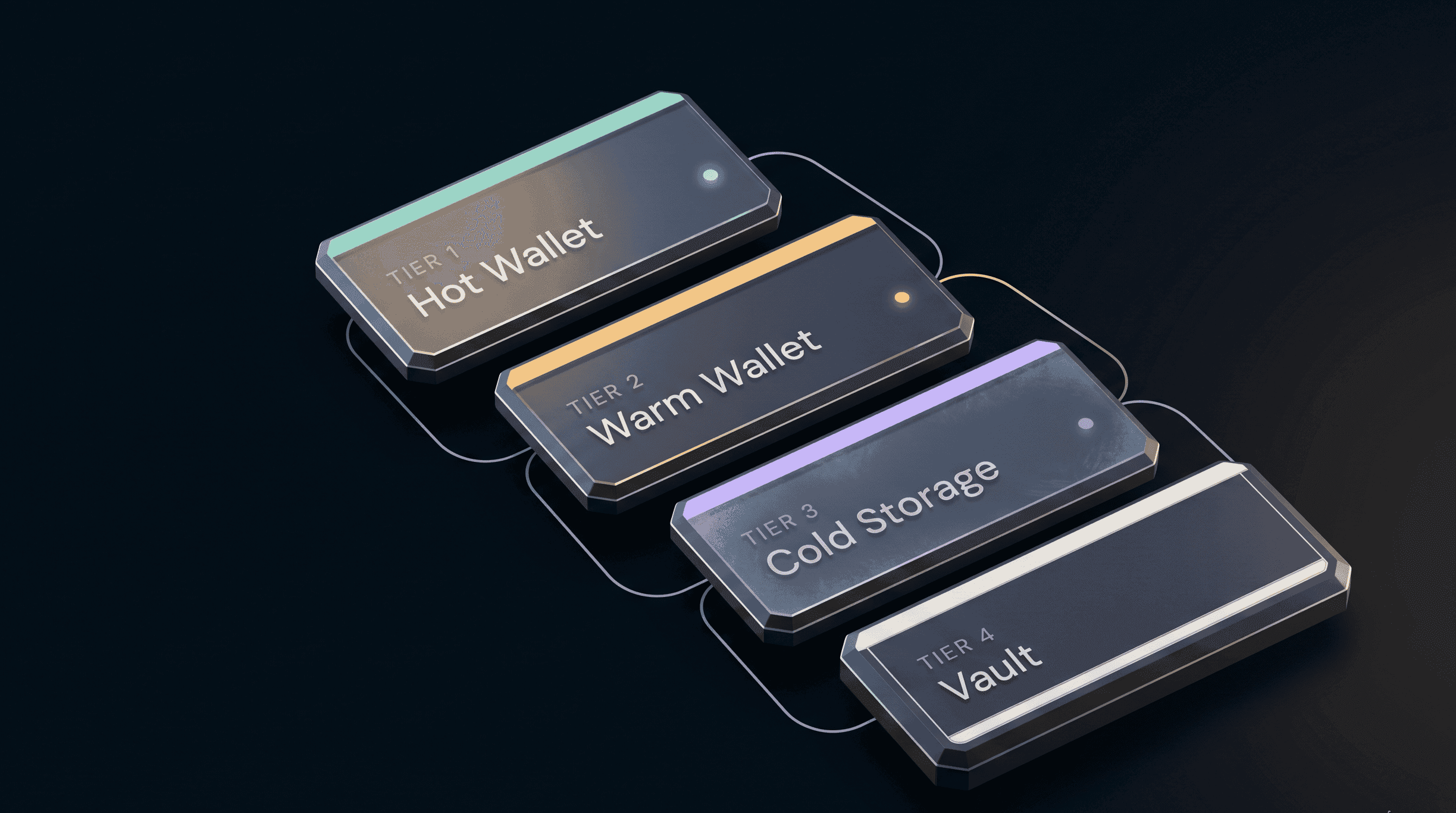
Four wallet tiers from hot to air-gapped cold, and four custody models — custodial, MPC, non-custodial and multi-signature — deployable side by side.

  • Hot, warm and cold tiers with per-tier signing policy
  • MPC, multi-sig and HSM key protection
  • Custody model selectable per platform module
Learn more
Four linked wallet tiers stepping from hot wallet through warm wallet and cold storage to vault
SPEND

White-Label Crypto Card

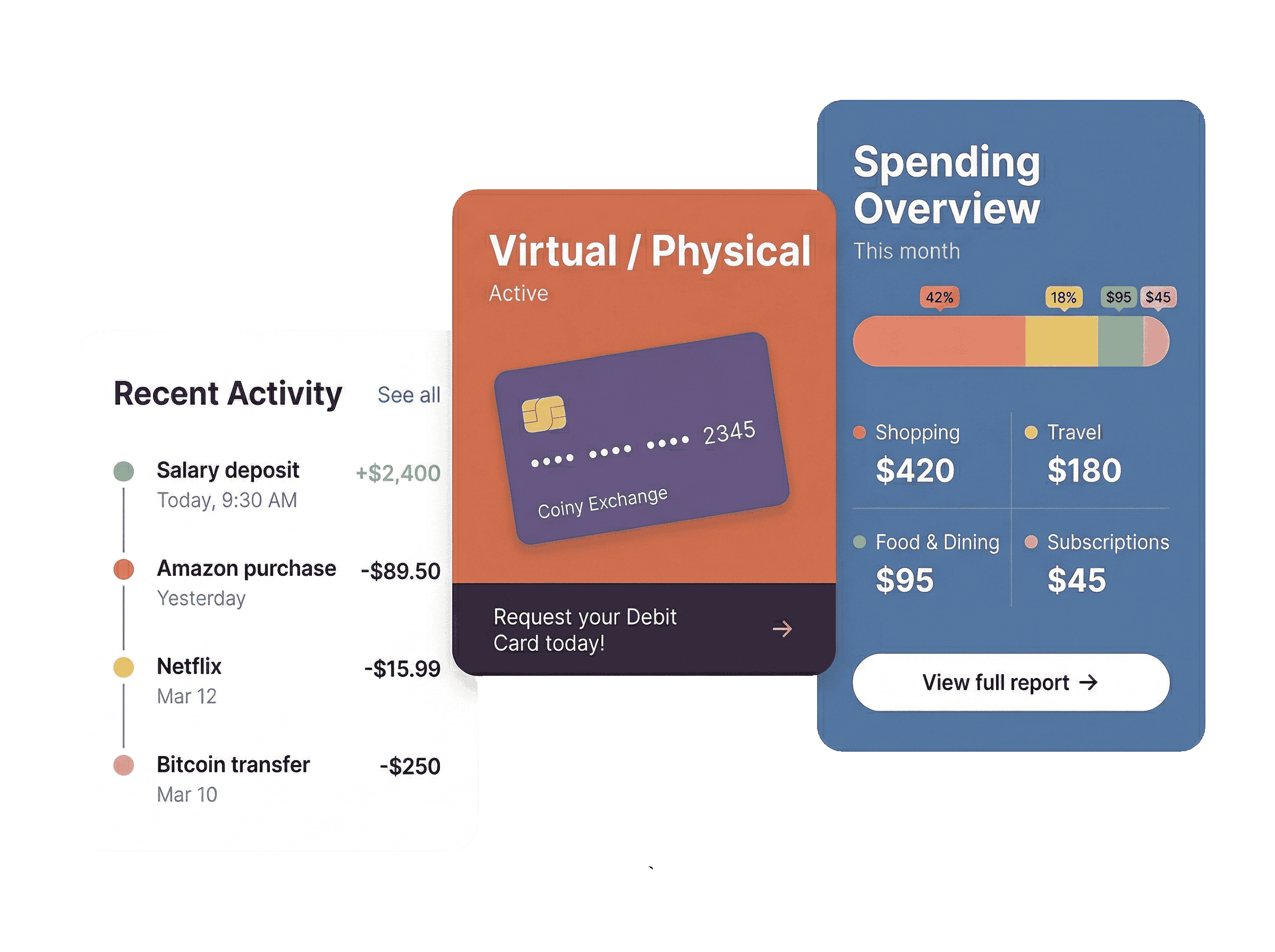
A branded card programme, physical and virtual, with real-time conversion at authorisation and operator control over fees, rewards, tiers and limits. Spend runs on existing networks through licensed issuers.

  • Physical and virtual cards under your brand
  • Real-time conversion at authorisation
  • Operator-set fees, rewards and spending controls
Learn more
Card program panels showing recent activity, a virtual and physical debit card, and a monthly spending overview
EARN

Staking & Earn Platform

Three earn product classes — flexible staking, locked staking and structured savings — behind one white-label dashboard. You set APY, eligibility and lock terms, and keep a commission on distributions.

  • Flexible, locked and structured earn products
  • Operator-configured APY and eligibility per asset
  • Auto-subscribe, auto-invest and compounding
Learn more
Phone, tablet and laptop showing a portfolio dashboard, open positions and a live trading terminal
FIAT RAILS

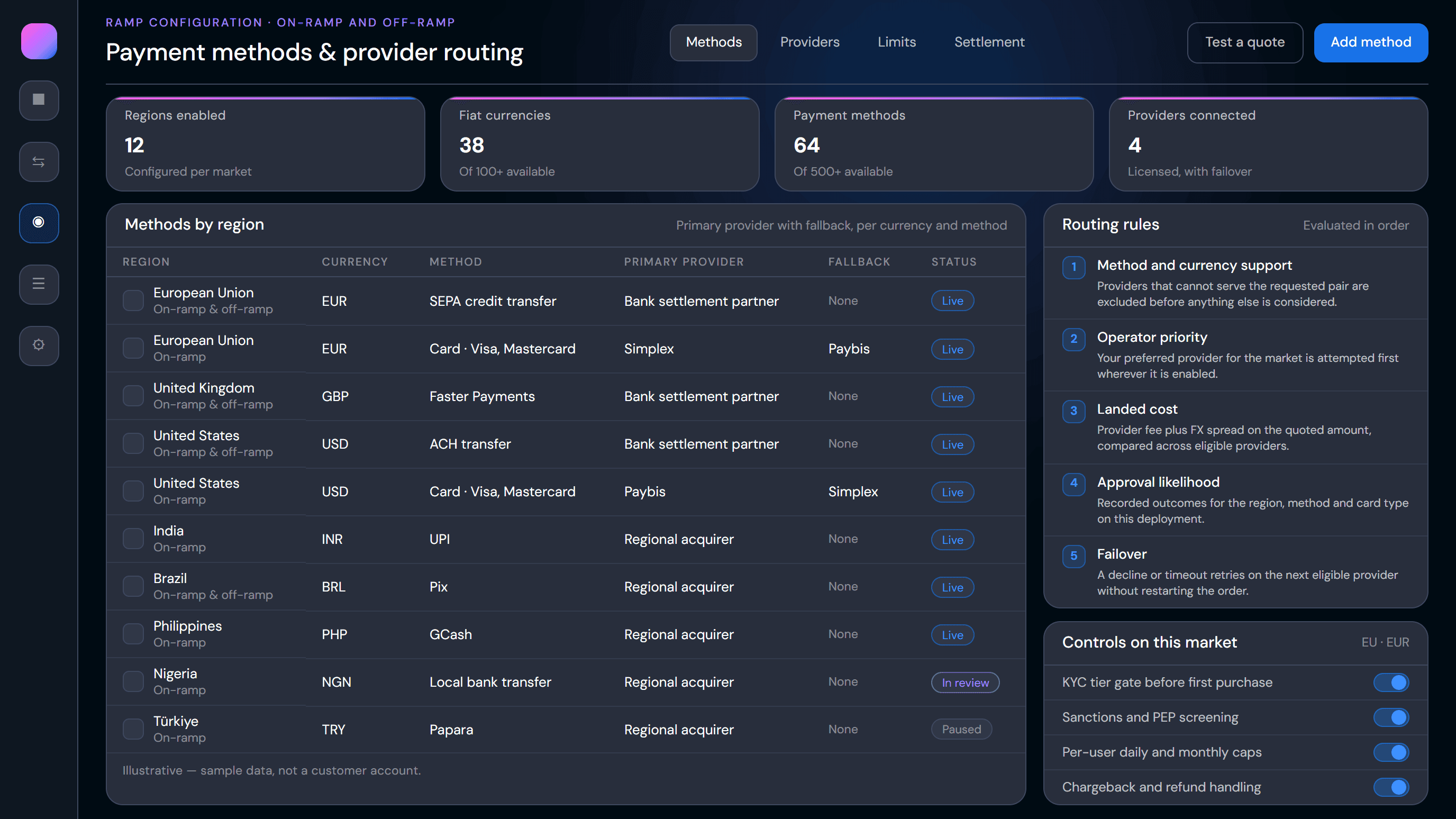
Fiat On-Ramp & Off-Ramp

Cards, bank transfers and regional methods for fiat-to-crypto and back, routed across licensed providers on your rules. You own the spread per market, and a declined order fails over inside the same order.

  • Cards, bank rails and regional payment methods
  • Provider routing with failover on decline
  • Your spread and fee schedule, per market
Learn more
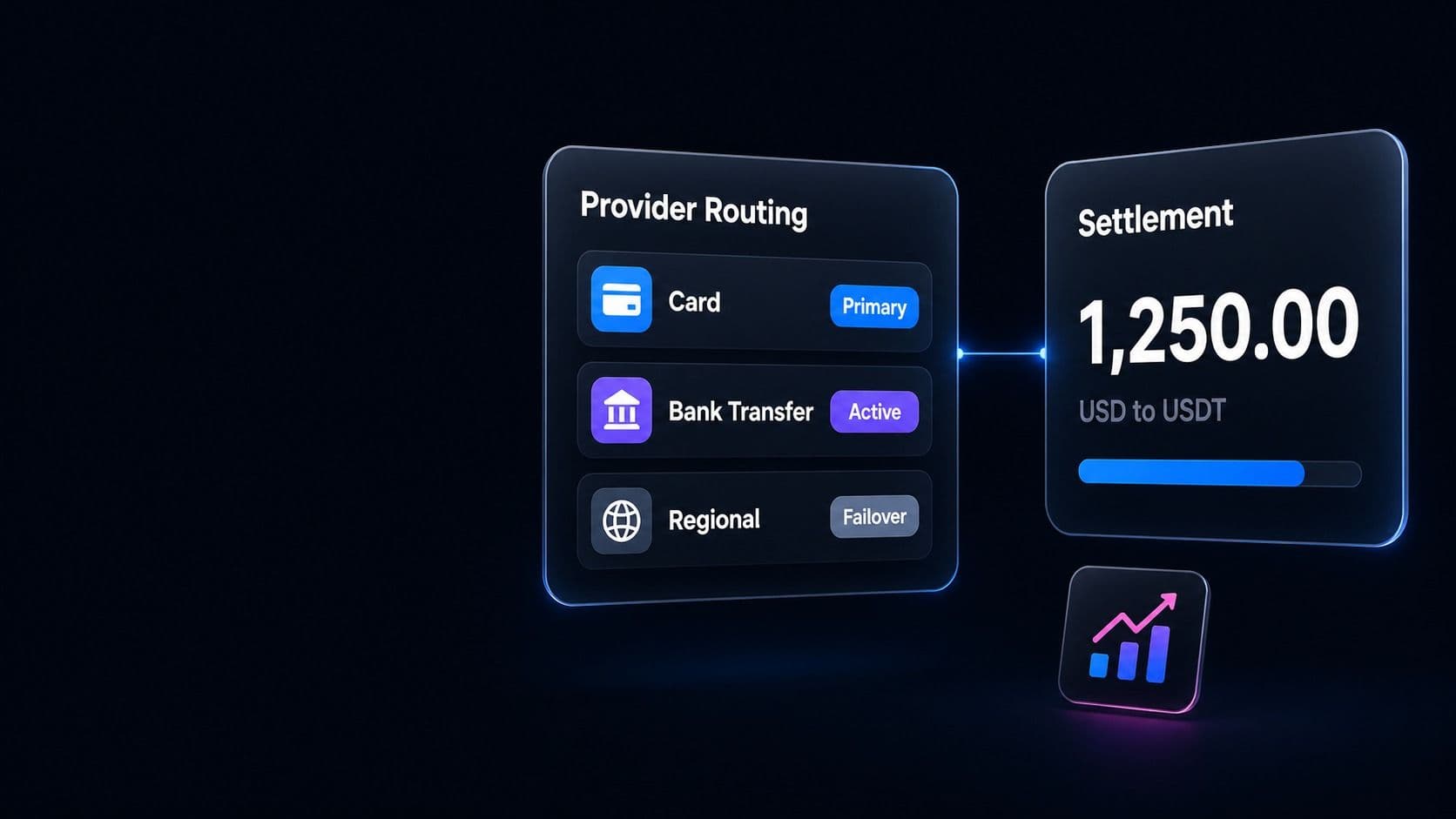
A provider routing card with card primary, bank transfer active and regional failover, beside a 1,250.00 USD to USDT settlement
TREASURY OPERATIONS

Treasury Operations Automation

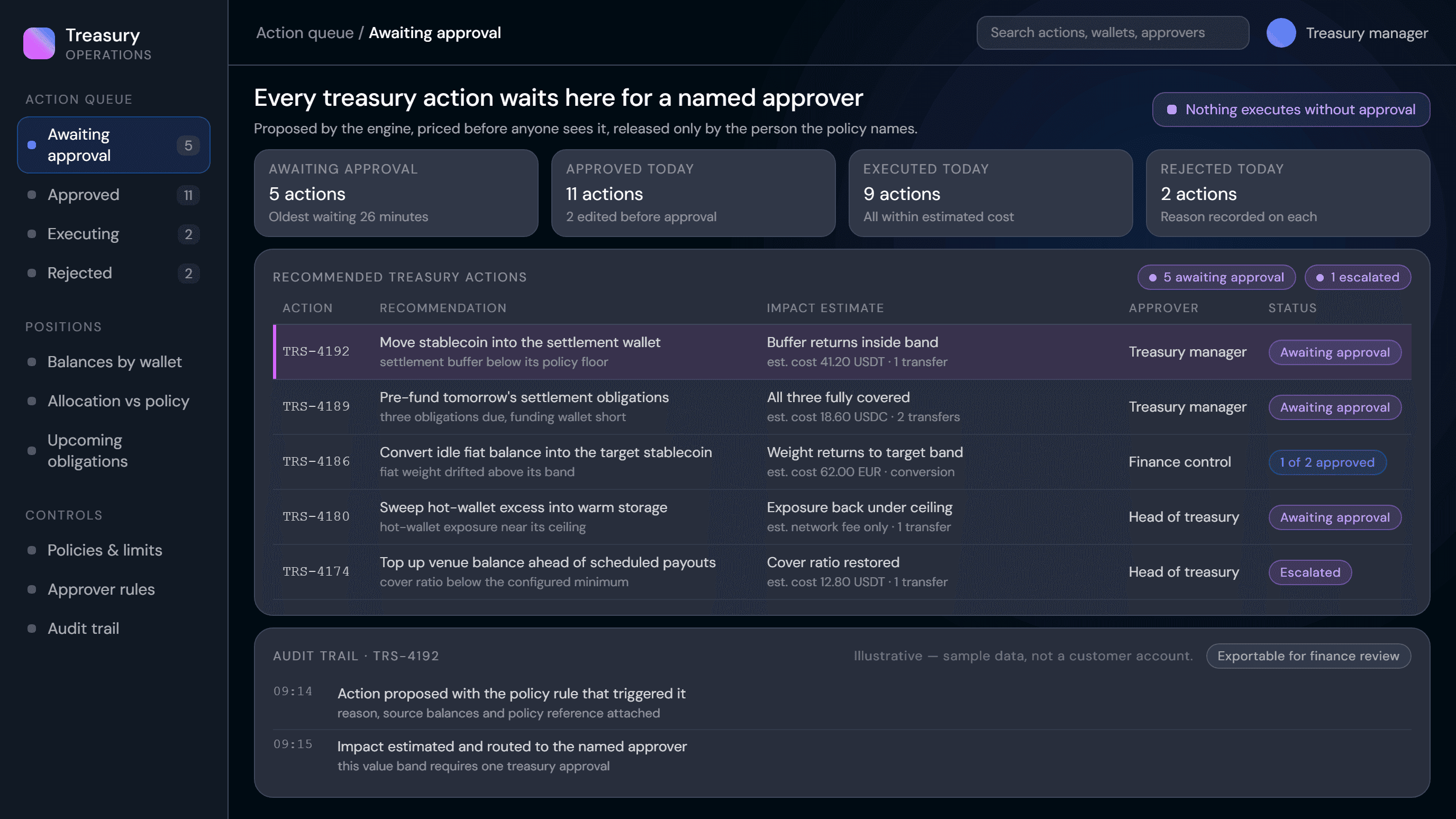
The control layer over everything above. It reads balances, works out the next rebalance or top-up, prices the impact, and then stops. A named approver releases it. Nothing here moves on its own.

  • Rebalancing and pre-funding recommendations
  • Priced impact estimate before every decision
  • Human approval and full audit history
Learn more
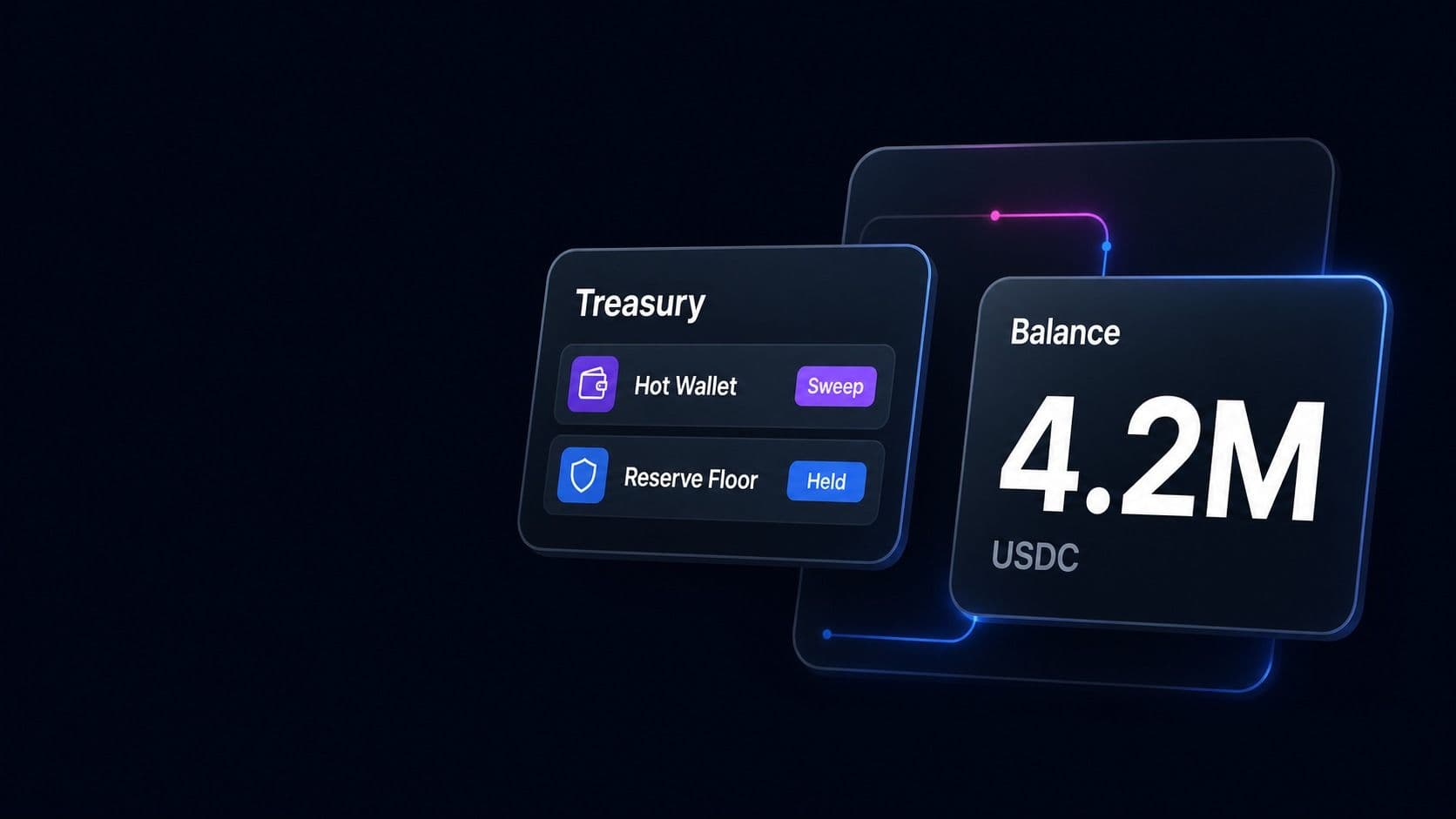
A treasury card sweeping the hot wallet and holding the reserve floor, beside a 4.2M USDC balance
MONEY FLOW

Where Each Product Sits in the Path Money Takes

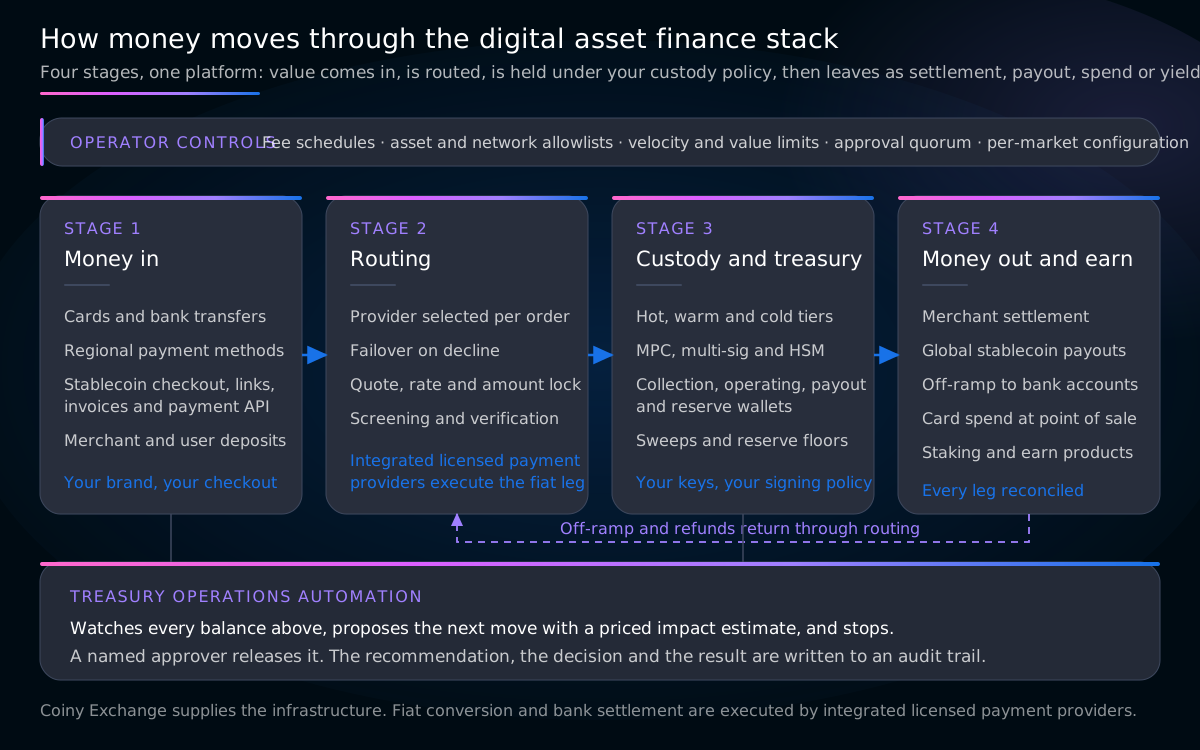
The six products are not six integrations sitting beside each other. They are four stages of one path, plus the control layer that watches it.

Diagram: money entering through fiat and stablecoin rails, routed via integrated licensed payment providers, held in the wallet and treasury layer, then leaving as merchant settlement, payouts, off-ramp, card spend and staking

Value enters through fiat rails or stablecoin acceptance, is held in your wallet and treasury layer under your own signing policy, and leaves as merchant settlement, global payouts, an off-ramp, card spend or a staking subscription. Treasury automation watches every balance on that path.

CHOOSE A RAIL

Which Rail Handles Which Money Movement

Pick by the movement you need to support, not by the product name. The conclusion of the table below: stablecoin rails move value between wallets you control, fiat rails are executed by integrated licensed payment providers, card spend settles through a licensed issuing partner, and staking never leaves your platform at all — so the deciding question is always who holds the funds and who is licensed to move them.

#RailThe money movement it handlesWho holds the fundsWhat the operator configures
1Stablecoin railsAcceptance, settlement, payoutsValue between wallets, on-chainInbound, internal credit, outboundYour platform's own walletsUnder your signing policyAssets, networks, fees and splitsSettlement schedule per merchant
2Fiat on-ramp and off-rampCards, bank transfers, local methodsLocal currency in and outConverted at the providerThe integrated licensed providerCoiny never touches the fiat legSpread, fees, limits, provider orderPer market and per method
3Card spendPhysical and virtual cardsBalance to merchant at checkoutConverted at authorisationLicensed issuing partner settlesYou hold the crypto balanceCard tiers, fees, rewards, limitsSpending controls per user tier
4Staking and earnFlexible, locked, structuredNothing leaves the platformA balance subscribes to a productYour platform, in user balancesDelegation per your configurationAPY, lock terms, eligibilityOperator commission on yield
5Wallet and custodyThe layer under every railMovement between your own tiersHot, warm and coldYou do, under the model you deployCustodial, MPC, non-custodial, multi-sigTier limits, quorum, custody routingVelocity and value ceilings
6Treasury operationsThe control layer, not a railNo movement without approvalIt proposes; a person releasesUnchanged by the engine itselfCustody stays exactly where it wasBands, floors and approval routingValue bands per approver
INSIDE THE STACK

The Consoles Your Team Will Actually Live In

Three screens from across the stack: where treasury balances are read, where fiat routing is configured, and where a proposed movement waits for the person who has to release it.

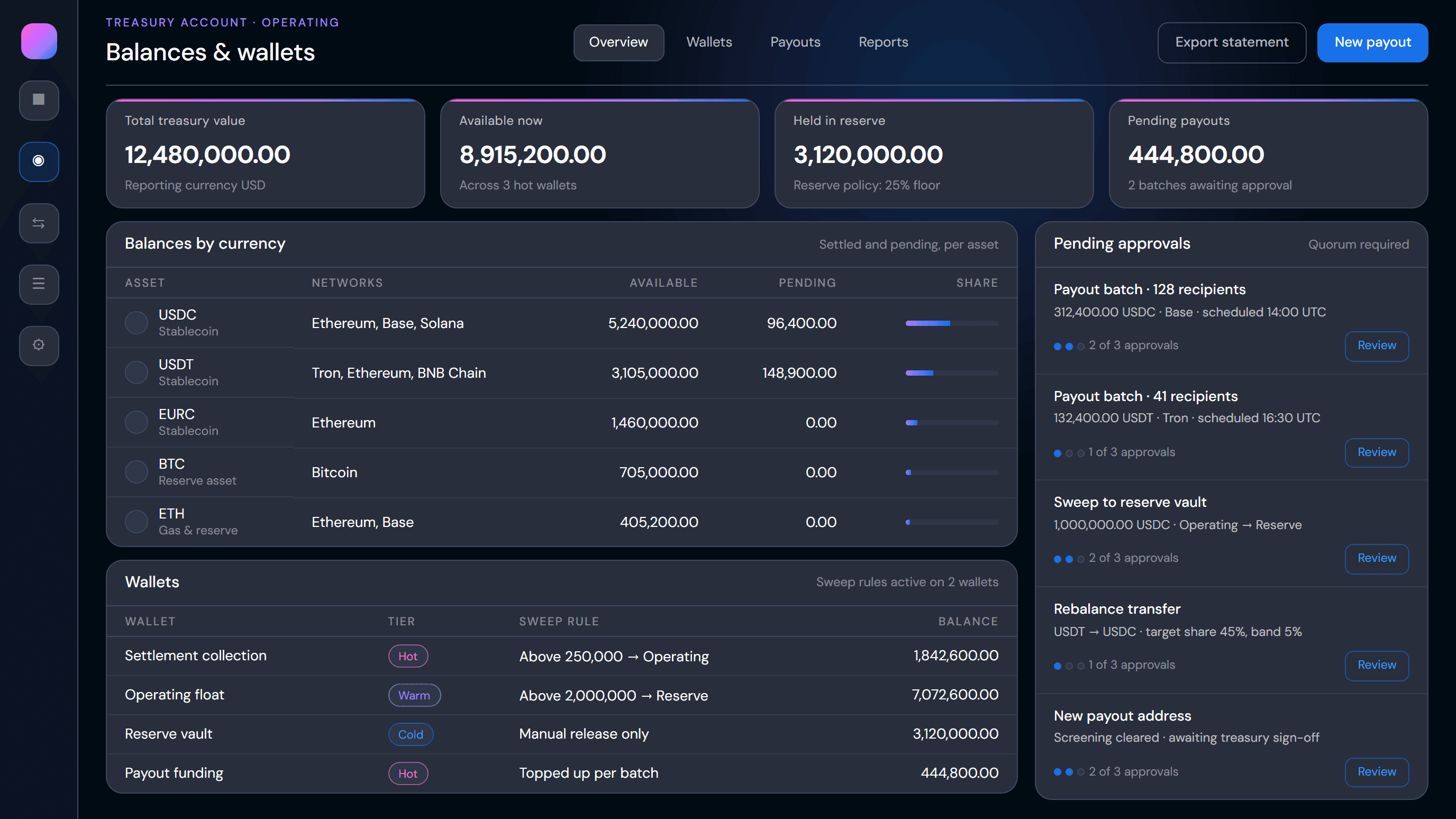
Balances by currency and wallet Stablecoin payments and treasury

One view of what the platform is holding, split by currency, by wallet and by tier, with the movements waiting on an approval beside them. Finance stops reconstructing the position from three systems and reads it from one.

  • Collection, operating, payout-funding and reserve wallets
  • Hot, warm and cold tiers with their own signing policy
  • Sweep thresholds and reserve floors visible per account
  • Pending approvals shown against the balance they affect
Treasury dashboard showing balances by currency and wallet with pending approvals
OPERATOR QUESTIONS

What Finance and Compliance Teams Ask Before Deploying the Stack

The finance layer is the most scrutinised part of any platform. These are the questions that decide whether it gets signed off.

  • Does Coiny hold our funds, or our customers' money?No. Coiny Exchange supplies the software your platform runs on. It is not a bank, a payment institution, a money transmitter or a licensed custodian. Balances sit in wallets your platform controls under the custody model you deploy, and the fiat leg is executed by integrated licensed payment providers.
  • Can we start with one product and add the rest later?Yes. Every product in the stack deploys on its own. Because they share one ledger and one operator console, the second product is a configuration step rather than a second integration, and balances stay in the same wallet structure instead of being migrated.
  • Where does local currency actually settle?With the provider, not with us. Card, bank and regional rails are routed to integrated licensed payment providers and regional acquirers, which hold the licensing and settle to the account you hold with them. The platform records, references and reconciles that settlement; it does not perform it.
  • How does this connect to the exchange we already run?On the same ledger, if the exchange is Coiny's: a deposit, a trade, a card authorisation and a staking accrual all resolve against one set of balances. Where the surrounding product is not ours, each rail exposes REST endpoints and signed webhooks and is called directly.
  • What stops an automated system from moving money on its own?The approval queue. Treasury automation prepares and prices an action, then stops. Release requires a named approver with authority for that action type and value band, and the recommendation, the decision and the outcome are all written to an audit trail that a reviewer can read later.
Book a Demo
GO DEEPER

Every Product in the Finance Stack

Each link below is the canonical page for that product — its architecture, its operator controls, its integrations and its own answers.

stablecoin payments & treasury infrastructure

The rails layer: acceptance, merchant settlement, global payouts and multi-wallet treasury, sharing one ledger and one reference from payment to statement.

wallet & custody solutions

The layer everything else sits on: four wallet tiers, four custody models, and MPC, multi-signature and HSM protection with operator-controlled capital flows.

white-label crypto card

Turns held balances into spend. Branded physical and virtual cards, conversion at authorisation, and a fee, reward and tier structure you set yourself.

staking & earn platform

Turns idle balances into a recurring revenue line. Flexible, locked and structured products with operator-configured APY and a commission on yield.

fiat on-ramp & off-ramp

The bridge to local currency. Cards, bank transfers and regional methods routed across integrated licensed payment providers, on your pricing and your rules.

treasury operations automation

The control layer. Rebalancing, pre-funding and liquidity actions prepared and priced, then held until a named approver releases them into the audit trail.

COMMON QUESTIONS

FAQ

Digital asset finance infrastructure is the software layer a business uses to move, hold and earn on digital value: accepting payments, converting to and from local currency, custodying balances, issuing spend products and managing treasury. Coiny Exchange deploys that layer under your brand as six connected products — wallets and custody, stablecoin payments, cards, staking, fiat ramps and treasury automation — sharing one ledger and one set of operator controls.

No. Coiny Exchange is a white-label infrastructure provider: it supplies the software your platform runs, and it is not a bank, payment institution, money transmitter or licensed custodian. Balances sit in wallets your platform controls, under the custody model you deploy. Where local currency is involved, conversion and bank settlement are executed by integrated licensed payment providers, and card issuance runs through licensed issuing partners.

Yes. Each of the six products in the Coiny Exchange digital asset finance stack deploys on its own — a card programme without staking, a fiat ramp without payment acceptance, wallet infrastructure without either. Because they share one ledger and one operator console, adding a second product later is a configuration step rather than a second integration, and balances stay in the same wallet structure.

The finance products read and write the same balances as the rest of the Coiny Exchange platform, so a deposit, a trade, a card authorisation and a staking accrual all resolve against one ledger. Where the surrounding product is not built on Coiny, each rail exposes REST endpoints and signed webhooks, so an existing application calls the rails directly and receives every state change as it happens.

A named person does. Coiny Exchange automates the preparation — watching balances, working out the next rebalance or pre-funding action, and pricing its impact — but every movement of value waits in an approval queue until an approver with the right authority releases it. Routing is by action type and value band, and the recommendation, the decision and the result are written to an audit trail.

An operator configures the commercial and risk surface of every product: fee schedules and spreads per market, asset and network allowlists, velocity and value limits, approval quorum, settlement schedules per merchant, card tiers and spending controls, and APY, eligibility and lock terms on earn products. Those controls sit in one console, so a policy change applies to the product it names without a release.

DEPLOY THE FINANCE LAYER

See the Whole Stack in One Session

Bring the money movements you need to support and we will walk the rails that handle them — acceptance, ramps, custody, cards, earn and the approval queue that governs all of it.

Book a Demo