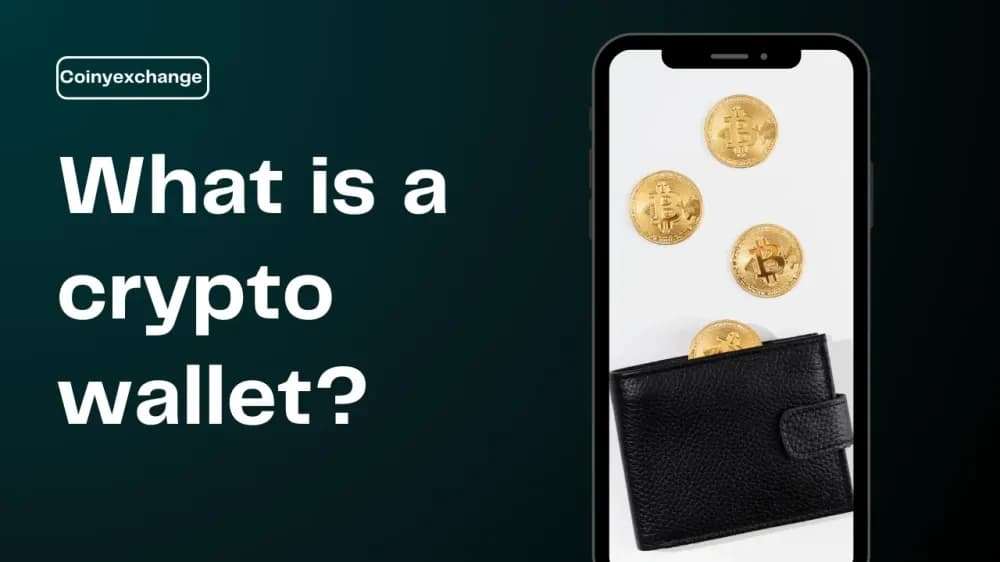
A wallet address is a unique string of letters and numbers that identifies where cryptocurrency can be sent or received. Think of it as your digital mailbox for crypto transactions; it directs the blockchain network precisely where to deliver your digital coins.
What Is a Cryptocurrency Wallet Address?
A cryptocurrency wallet address is a string of characters representing a digital location on a blockchain network where you can store, send, and receive cryptocurrencies. Think of it as your digital postal address it's where others send your crypto payments.
Most wallet addresses are between 26 and 35 characters long and consist of a mix of uppercase and lowercase letters, as well as numbers. For example, a Bitcoin address might appear as: 1A1zP1eP5QGefi2DMPTfTL5SLmv7DivfNa. Note that Bitcoin supports various address formats, including legacy, SegWit, and Bech32.
Unlike traditional bank accounts, wallet addresses are public and can be shared freely without risking your funds. They serve as your public identifier on the blockchain, while your private keys remain secret and are required to authorize transactions.
The Role of Wallet Addresses in Crypto Transactions
Wallet addresses are fundamental to the cryptocurrency ecosystem, functioning as digital postal addresses that facilitate secure and accurate transactions.
Transaction Routing and Delivery
When you initiate a crypto transaction, the wallet address tells the blockchain network exactly where to deliver the funds. Think of it like entering a GPS destination – the blockchain uses this address to route your cryptocurrency through the network to the correct recipient. Without a valid address, the transaction cannot be processed.
Identity and Ownership Verification
Each wallet address is derived from a public key, which is mathematically linked to a private key. When you send cryptocurrency, your wallet signs the transaction with your private key, creating a digital signature. The network then verifies this signature against the associated public key to confirm your ownership and authorize the transfer.
Balance Tracking and Record Keeping
Blockchain networks track ownership by recording all transactions on a public ledger. Each transaction updates the balances associated with wallet addresses, creating an immutable history that shows how much cryptocurrency each address holds and its transaction history.
Network Communication
Wallet addresses facilitate communication within the blockchain network. Miners or validators use these addresses to verify transaction authenticity, update account balances, and ensure the overall integrity of the system.
Multi-Currency Support
Modern wallets can generate multiple addresses for various cryptocurrencies, each conforming to its specific blockchain's address format. This allows you to manage diverse digital assets from a single interface while keeping transactions organized.
Transaction Confirmation Process
After you broadcast a transaction, network nodes verify its validity—checking that the sender has sufficient funds, the signatures are correct, and the transaction adheres to protocol rules. Once confirmed, it is included in a new block. Confirmation times vary depending on network congestion, typically ranging from seconds to minutes.
Difference Between Bank Account and Wallet Address
| Aspect | Bank Account | Wallet Address |
|---|---|---|
| Confidentiality | Private and secured | Public and shareable |
| Control | Controlled by the bank | Controlled by the private key owner |
| Personal Information | Requires personal details | No personal info needed for address |
| Restrictions | Can be frozen or restricted | Cannot be blocked by third parties |
| Transaction Reversibility | Reversible (bank can reverse) | Generally irreversible; once confirmed, can't be undone |
| Insurance | Government-insured | No insurance protection |
How Does a Crypto Wallet Address Work?
Wallet addresses are generated through a cryptographic process involving key pairs:
Key Generation: Your wallet creates a private key (kept secret) and a corresponding public key.
Address Derivation: The public key is processed via cryptographic algorithms to produce your wallet address.
Transaction Signing: When sending crypto, your private key signs the transaction, proving ownership without revealing the private key itself.
Verification: The blockchain network verifies the signature against the public key associated with the address before processing.
Balance Updates: Once confirmed, the network updates the balances on the ledger accordingly.
The beauty of this system is that you can share your wallet address publicly without revealing your private key, keeping your funds secure.
Some Safety Tips for Wallet Addresses
Protecting your cryptocurrency requires understanding both the opportunities and risks associated with wallet addresses. Here are essential safety practices every crypto user should follow.
Address Verification is Critical
Always double-check wallet addresses character by character before sending any cryptocurrency. Even a single wrong character can send your funds to the wrong address permanently. Copy and paste addresses instead of typing them manually to avoid human error. For large transactions, consider sending a small test amount first to verify the address works correctly.
Leverage QR Code Technology
QR codes eliminate the risk of typos when sharing wallet addresses. Most modern wallets generate QR codes automatically, making address sharing more convenient and accurate. When receiving an address, ask for the QR code version when possible, especially for complex addresses.
Understand Address Reuse Implications
While you can reuse wallet addresses multiple times, it's not always recommended for privacy reasons. Some cryptocurrencies like Bitcoin benefit from using new addresses for each transaction to maintain better anonymity. However, other networks like Ethereum commonly reuse the same address without privacy concerns.
Recognize Address Poisoning Attacks
Scammers sometimes send tiny amounts of cryptocurrency from addresses that look similar to ones you've used before. They hope you'll accidentally copy the wrong address from your transaction history for future transactions. Always verify addresses from trusted sources, not from your transaction history alone.
Secure Your Private Information
Your wallet address is public and safe to share, but never reveal your private keys, seed phrases, or wallet passwords. These give complete control over your funds. Legitimate services will never ask for this information. If someone requests your private key, it's always a scam.
Use Address Whitelisting Features
Many wallets and exchanges offer address whitelisting, allowing you to pre-approve trusted addresses. This adds an extra security layer by preventing transactions to unknown addresses, especially useful for business accounts or large holdings.
Be Cautious with Public Wi-Fi
Avoid accessing your wallet or copying addresses while connected to public Wi-Fi networks. Use a VPN if you must access your wallet on public networks, as hackers can potentially intercept your data.
Keep Software Updated
Ensure your wallet software is always updated to the latest version. Updates often include security patches and improved address validation features that protect against new types of attacks.
Verify Exchange Addresses Carefully
When sending cryptocurrency to exchanges, pay extra attention to additional requirements like memo tags, destination tags, or network selections. Missing these details can result in lost funds that may be impossible to recover.
Consider Using Hardware Wallets
For significant amounts of cryptocurrency, hardware wallets provide an extra layer of security by keeping your private keys offline. They generate addresses securely and require physical confirmation for transactions.
Different Types of Wallet Addresses for Different Currencies
Each cryptocurrency operates on its own blockchain network with unique address formats. Understanding these differences is crucial for successful transactions. Bitcoin (BTC) Bitcoin has evolved to support multiple address types:
- Legacy addresses (P2PKH): Start with "1" and are the original Bitcoin address format. Example: 1BvBMSEYstWetqTFn5Au4m4GFg7xJaNVN2
- Script addresses (P2SH): Start with "3" and support advanced features like multi-signature wallets
- Bech32 addresses (P2WPKH): Start with "bc1" and offer lower transaction fees and better error detection
Ethereum (ETH) Ethereum uses a single address format that works for ETH and all ERC-20 tokens:
- All addresses begin with "0x" followed by 40 hexadecimal characters
- Case-insensitive but often include mixed cases for checksum verification
- Example: 0x742d35Cc6634C0532925a3b8D6Ac6d79a34c5e6b
Litecoin (LTC) Litecoin addresses are similar to Bitcoin but use different prefixes:
- Legacy addresses start with "L"
- Multi-signature addresses start with "M"
- SegWit addresses start with "ltc1"
Ripple (XRP) XRP has a unique addressing system:
- Addresses start with "r" followed by 25-34 characters
- Many exchanges require an additional "destination tag" to identify your specific account
- Example: rN7n7otQDd6FczFgLdSqtcsAUxDkw6fzRH
Bitcoin Cash (BCH) Bitcoin Cash introduced its own address format to prevent confusion:
- Uses CashAddr format starting with "bitcoincash:"
- Shorter format addresses start with "q" or "p"
- Example: bitcoincash:qp3wjpa3tjlj042z2wv7hahsldgwhwy0rq9sywjpyy
Cardano (ADA) Cardano uses the newer Bech32 encoding:
- Addresses start with "addr1"
- Designed for better error detection and human readability
- Support both payment and staking functionalities
Solana (SOL) Solana addresses are base58-encoded strings:
- Typically 32-44 characters long
- No specific starting character pattern
- Example: 7dHbWXmci3dT8UFYWYZweBLXgycu7Y3iL6trKn1Y7ARj